Technical Support +30 2103633512 Mon - Fri: 9:00 - 17:00

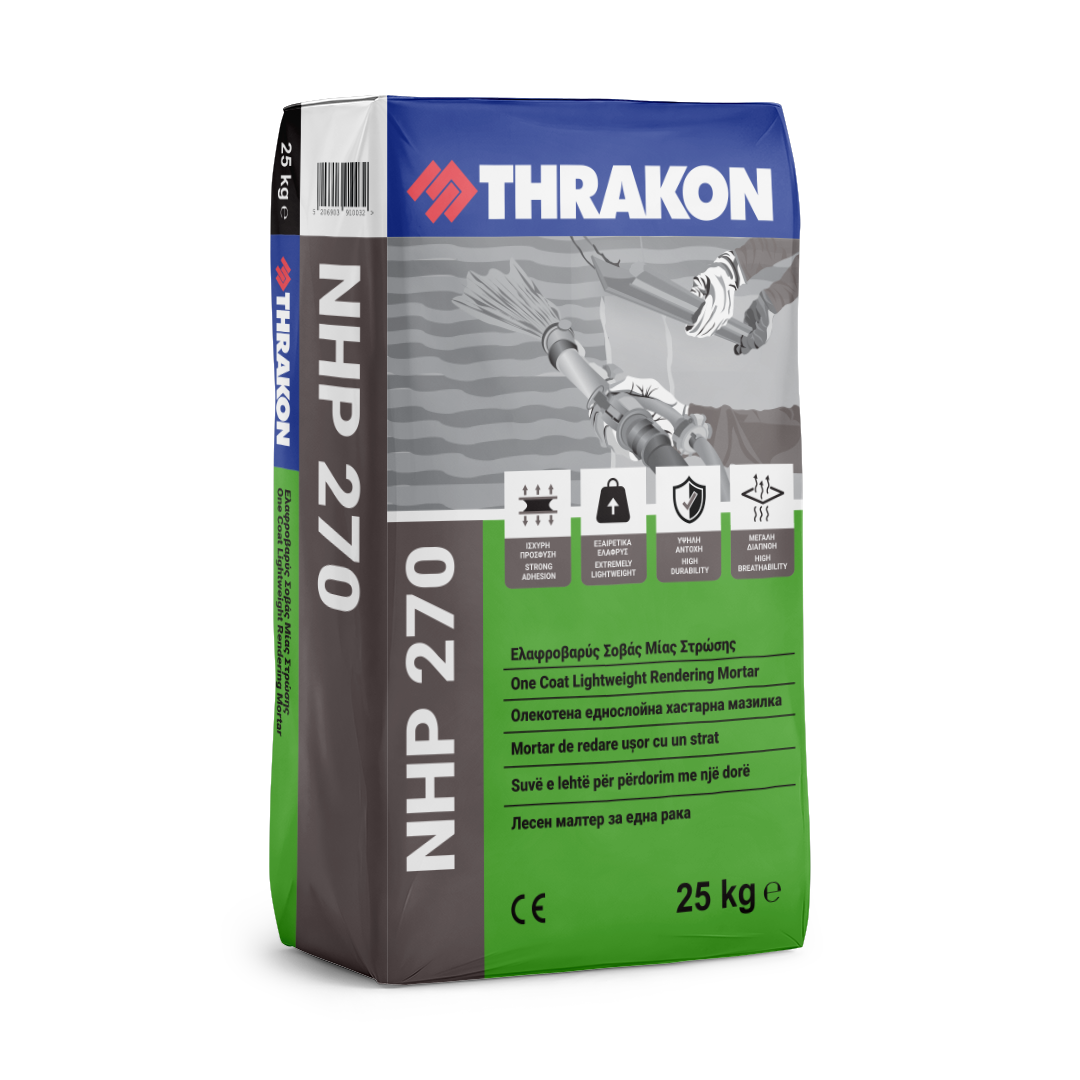
NHP 270

White, one-coat plaster

ΝΗΡ 270 is a ready-mix, cement-based, white plaster.
Color
White
Packaging
Paper valve bags: 25kg
Consumption
8-10 kg/m² for 1 cm thickness
Certifications:
Downloads:
PLASTERS AND RENDERS
NHP 270

Description

ΝΗΡ 270 is a ready-mix, cement-based, white plaster. It is ideal for the creation of smooth surfaces, suitable for indoor and outdoor use, without the need of spatula application such as renovations of old buildings, worn out surfaces etc.

Application Fields

Applied on indoor and outdoor walls and roofs, on Autoclaved Aerated Concrete, bricks, visible concrete etc. rendering the surface ready for painting.

Advantages

  • Very light, does not add heavy loads to the building.
  • Better thermal insulation properties than conventional plasters at the same thickness.
  • Replaces three-layer coatings.
  • Faster project delivery.
  • Greater profit for workers and manufacturers.
  • Excellent pumpability.
  • Allows surface breathability.
  • Strong adhesion to the substrate.
  • Exceptional workability.
  • Adheres to the construction surface without hanging.
  • High resistance – Fast application.
  • Replaces traditional plasters.
  • Suitable for all types of Autoclaved Aerated Concrete.

Implementation Steps

1.a) Surfaces made of aerated concrete: Surfaces must be stabilized using YTONG PRIMER diluted with water at a ratio of 4:1. The surface is ready for plastering directly with NHP 270 after the primer has completely dried (approximately 2–6 hours).                                                                     b) Surfaces made of brick, stone, etc.: Surfaces must be clean, dry, and free of dust. The surface is ready for plastering directly with NHP 270.    c) Exposed concrete surfaces: On concrete surfaces (slabs, beams, columns, etc.), first apply a thin layer of SHP 205 plaster. Allow the plaster to dry completely, depending on the prevailing conditions, and then apply NHP 270.

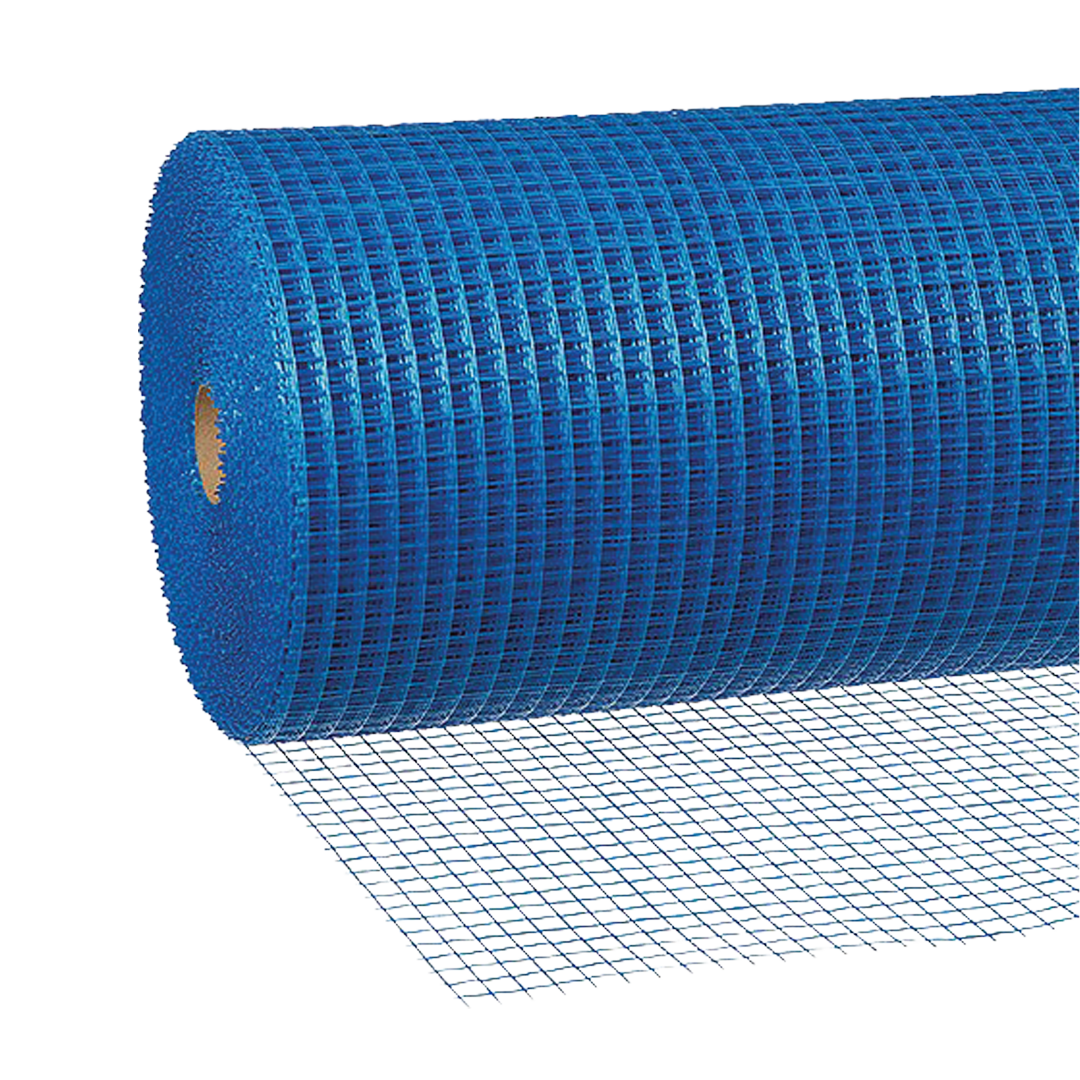
2.Surface preparation: Place fiberglass mesh and bridge the connections between different construction materials. It is recommended that you use stainless or galvanized corner caps, starts or meshes in order to avoid corrosion.

3. Methods of preparation:

  • With a continuous mixer: It is the recommended method of preparation and application because it guarantees the correct water ratio, as well as the necessary mixing duration. Make sure that the water and electricity supplies are connected to the mixer. Pay attention so that the water pressure does not exceed 2 bar. Fill the mixer tank with the product. Operate the machine without a hose first and adjust the water to the level needed in order to produce a mixture (plaster) that is easy to work with, without running or hanging. Then connect the hose and start working.
  • By hand in a bucket: In an empty container add 7,5 lt clean water and gradually empty the content of a 25 kg bag, while mixing continuously with an electric stirrer, until a homogenous mortar mass is produced. Let the mixture rest for 5 minutes and then stir again slightly.ATTENTION: After the preparation of the mixture, the addition of water is prohibited for the correction of the mortar’s workability. This will lead to the reduction of its resistance and the increase of its shrinkage.4. Application of the final coating: The application of the product begins with a plastering machine or by hand, and then we level the material by pressing (not scraping), forming a surface that will facilitate the sanding step. We never relevel, only finish and continue, or else the drying time will increase. The product will be ready for rubbing when the corners can be cut without shrinking, but if we rub it later, it will cause no problems. We rub it with a hard sponge, immersing the sponge continuously in clean water. Wall damping is not recommended. We leave the material to develop its initial resistances and then, with an American-style spatula, as thin as possible, we form the smooth surface by pulling and spreading to avoid material deformations. At this point, the application is complete. However, on less absorbent surfaces, air can be trapped in the material and create bubbles. There is no reason to worry, as you can leave the material to dry and then reapply the material to create the final surface.

Storage

Stored in wooden pallets in dry environments at temperatures above 0°C for 12 months from the production date.