Applications
Masonry with render
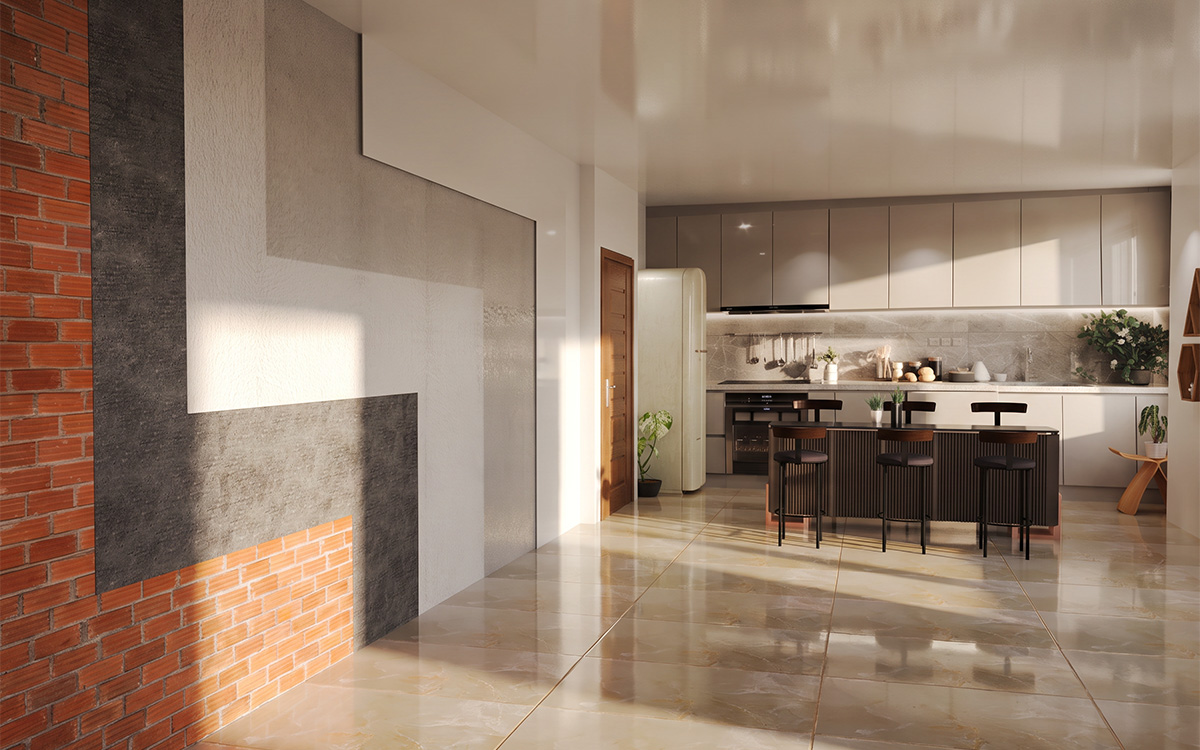
Applications
Masonry with render
 +30 2103633512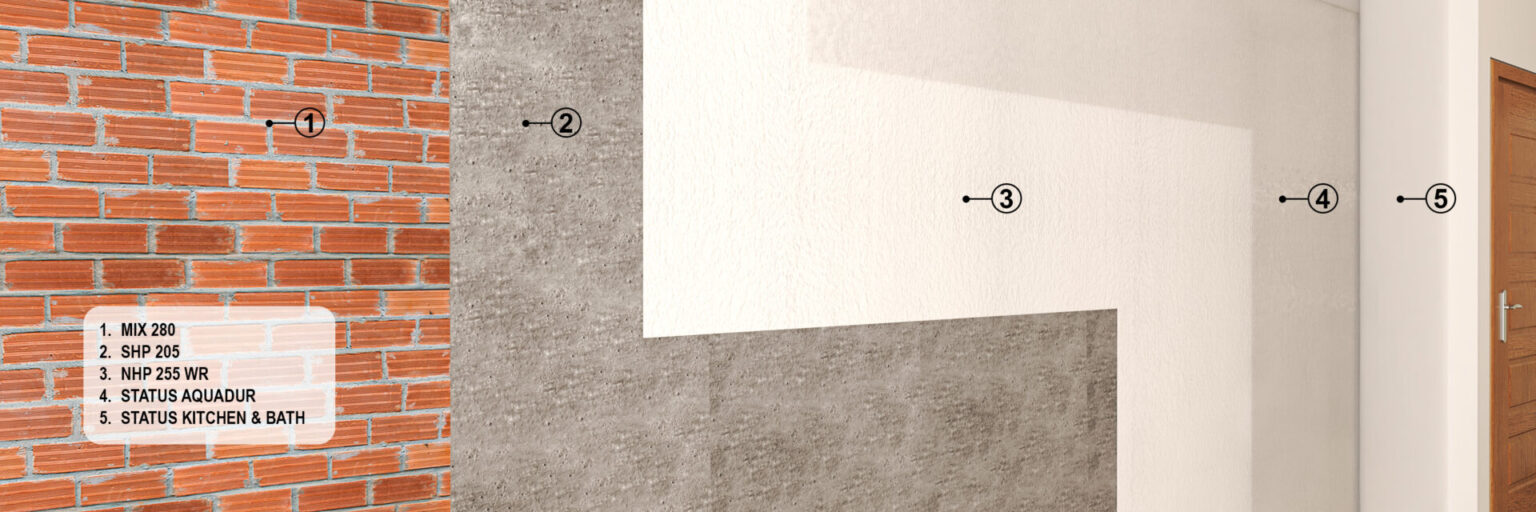
What do we need?
Roller, trowel, brush, sponge, notched and stainless-steel finishing trowel, spray gun or plastering machine, plastering trowel.
STEP 1
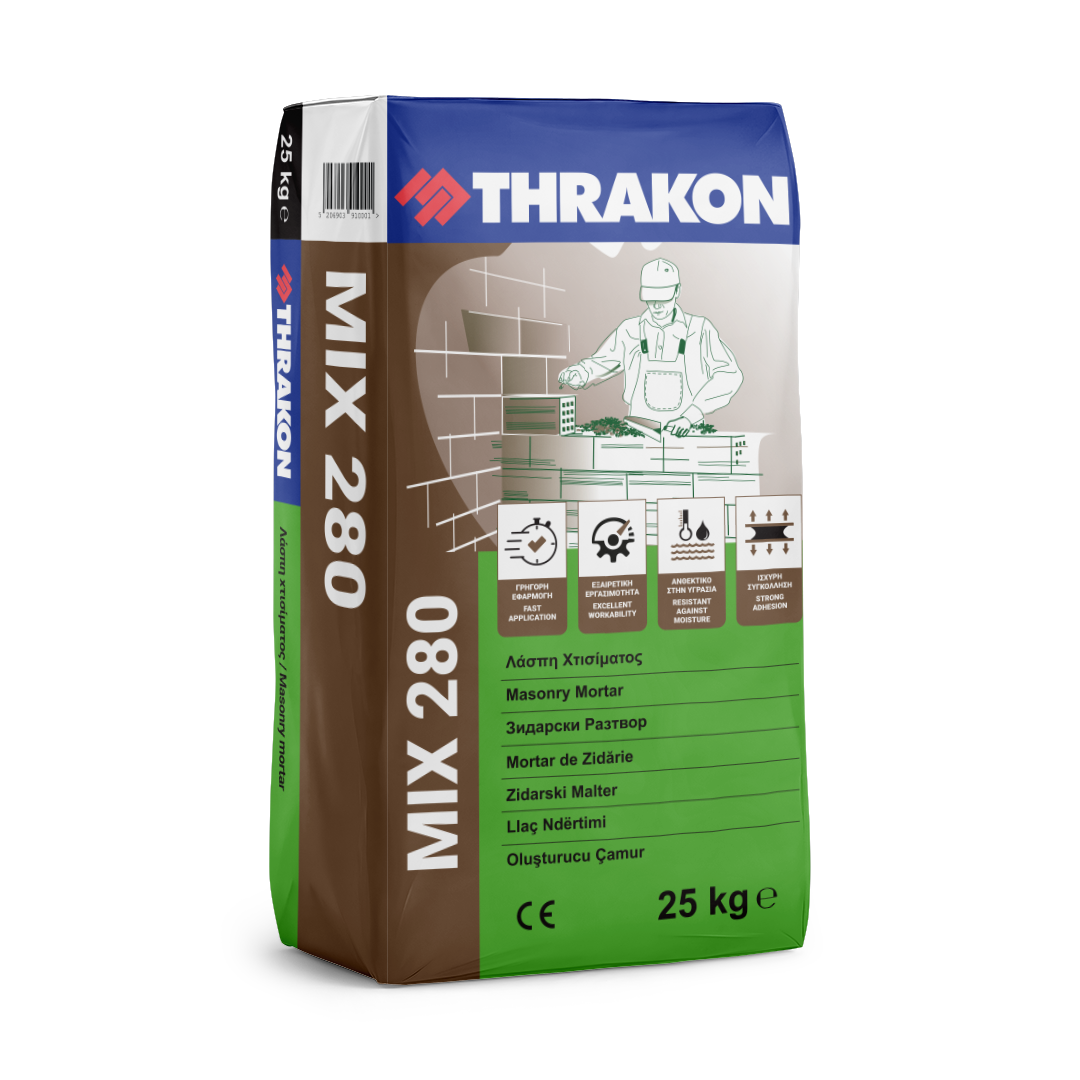
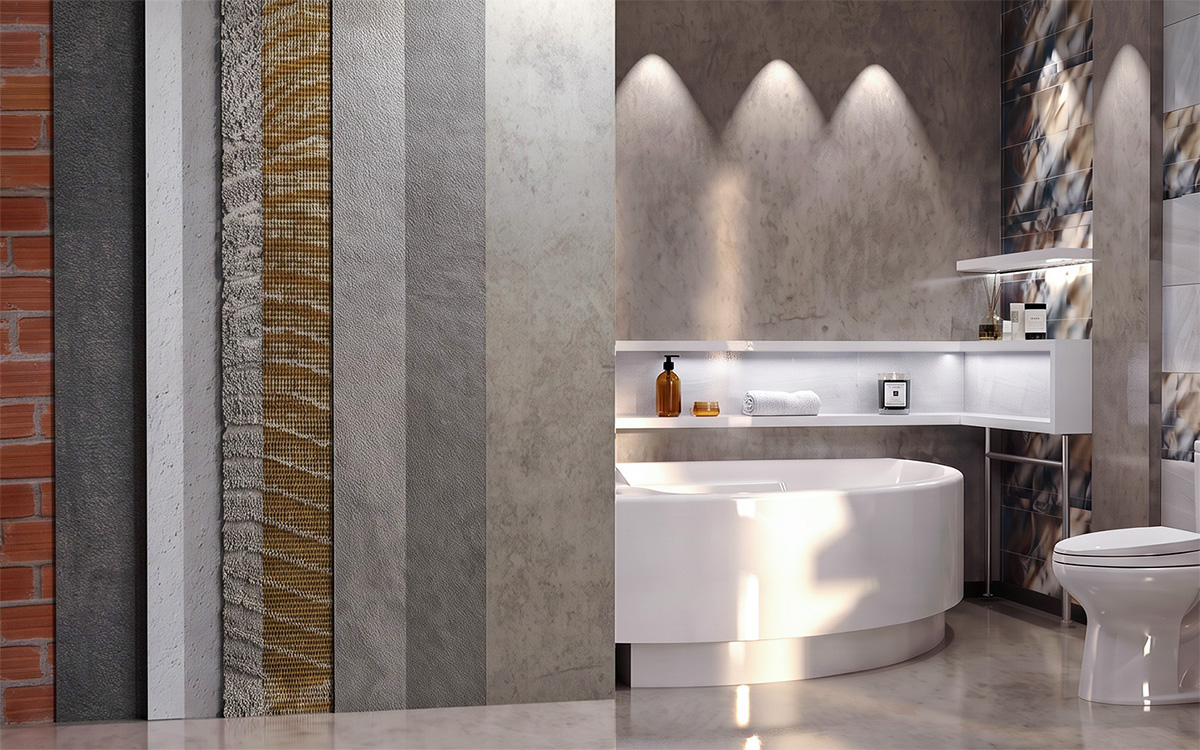
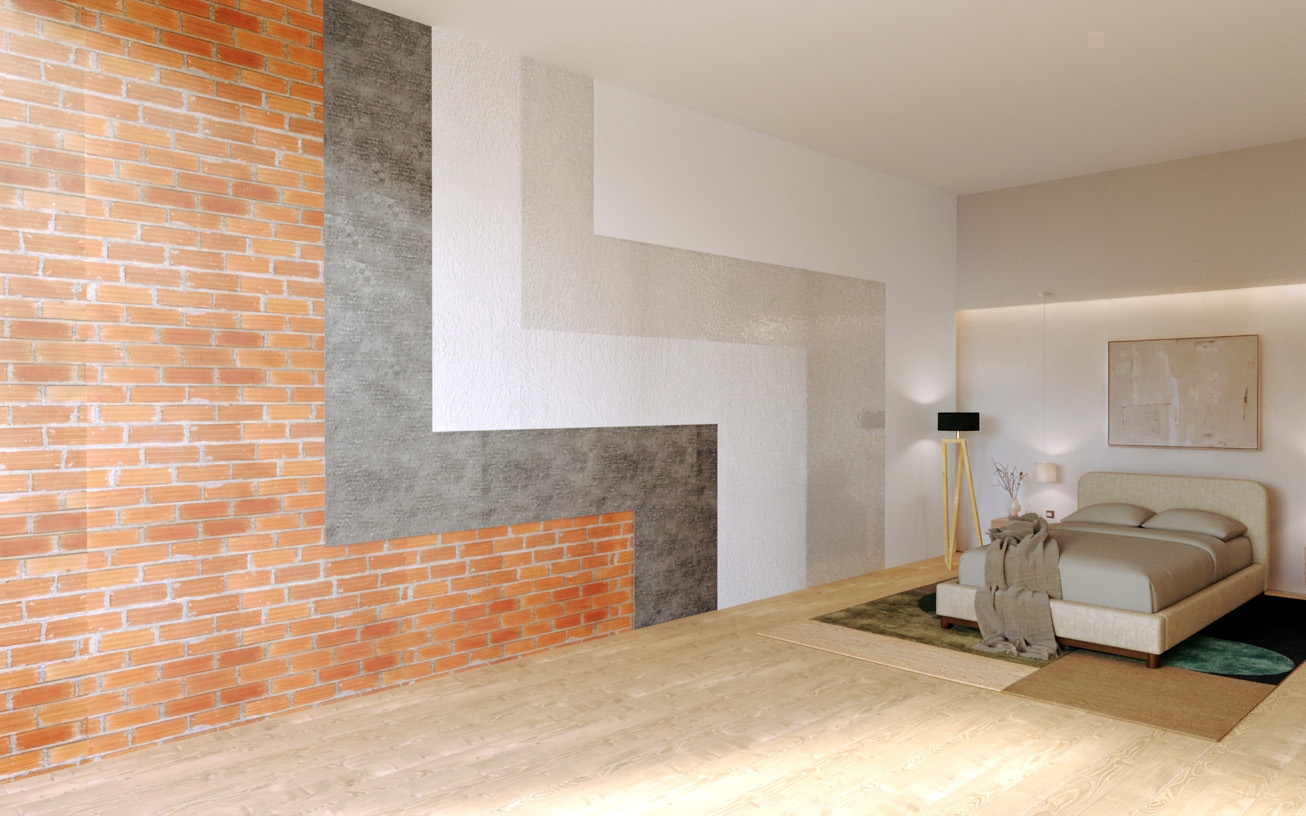
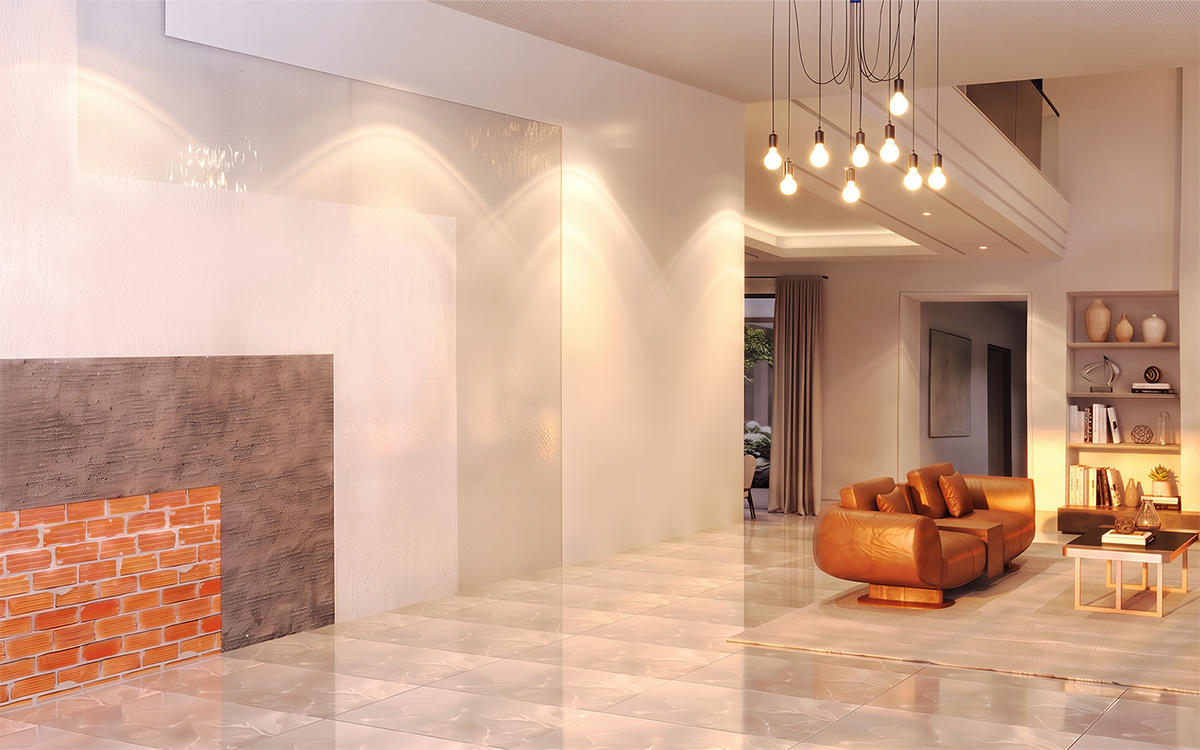
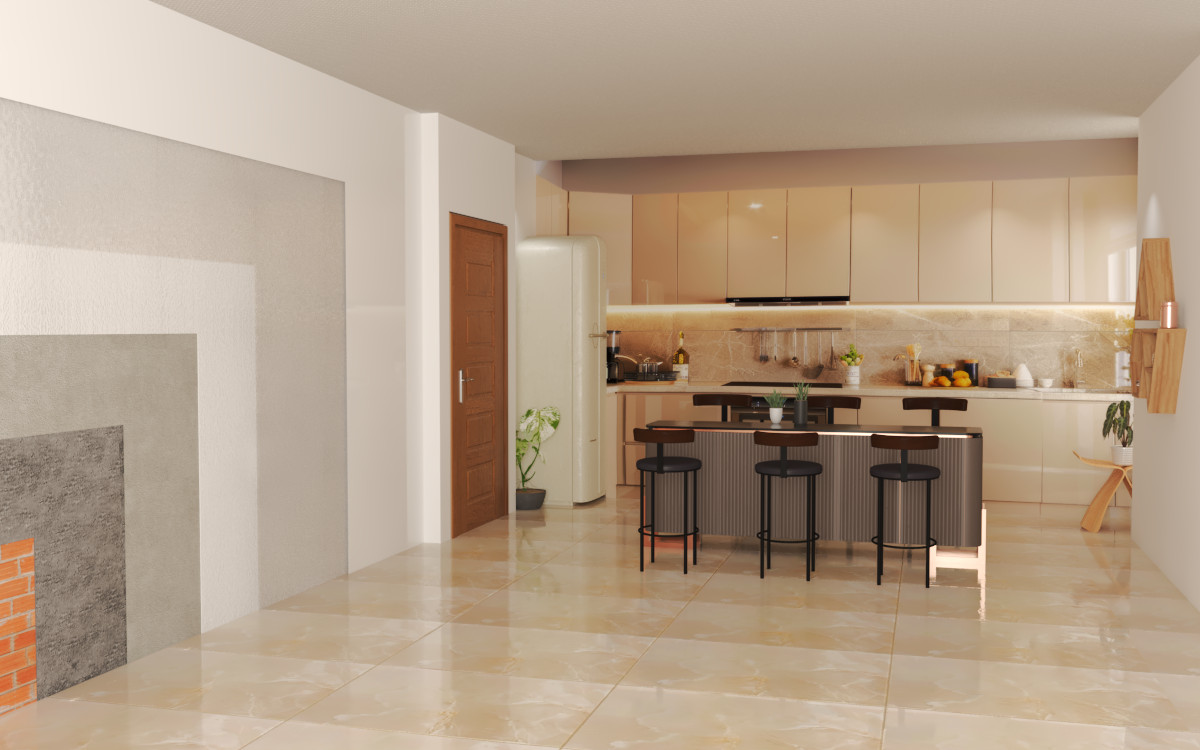
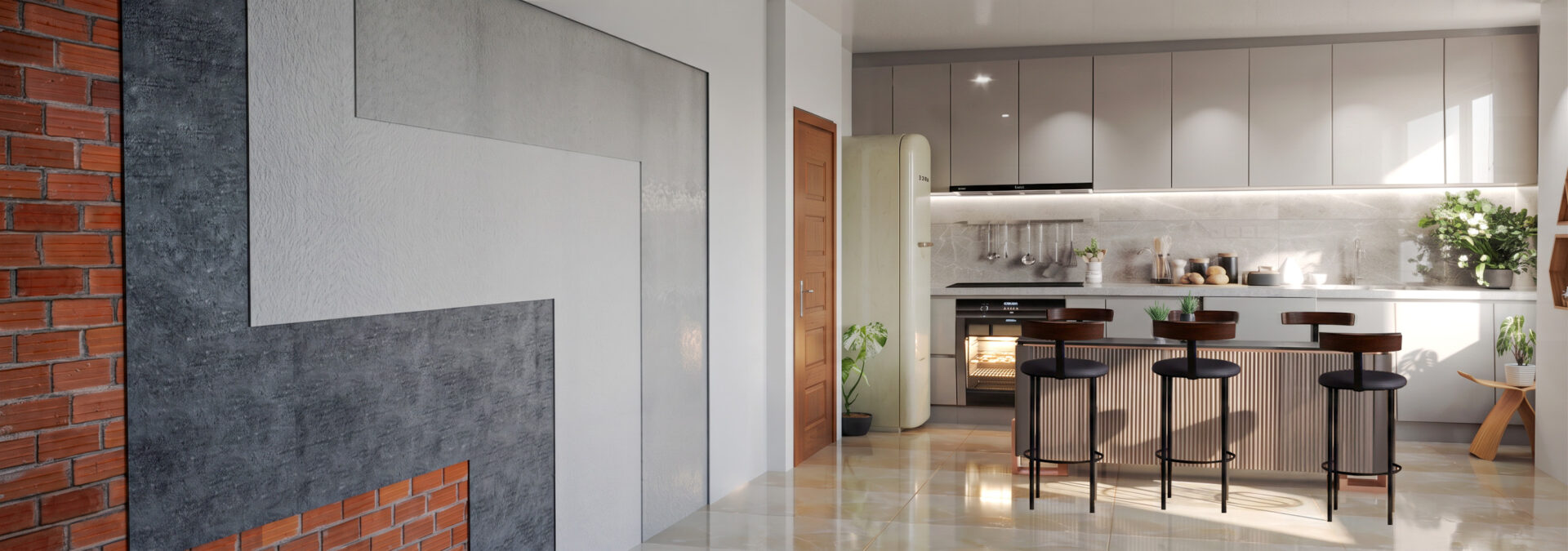
Masonry Construction: For masonry construction and the formation of structural elements, we apply MIX 280, a cement-based masonry mortar. The material is applied in a uniform layer with a thickness of 1.5–2.0 cm, ensuring full contact and strong adhesion between the masonry elements and the substrate. During installation, the elements are properly aligned and levelled, while the joints are completely filled without voids. Upon completion, excess mortar is removed and the surfaces are cleaned with a damp sponge. The wall can receive render after approximately 24 hours.
STEP 2
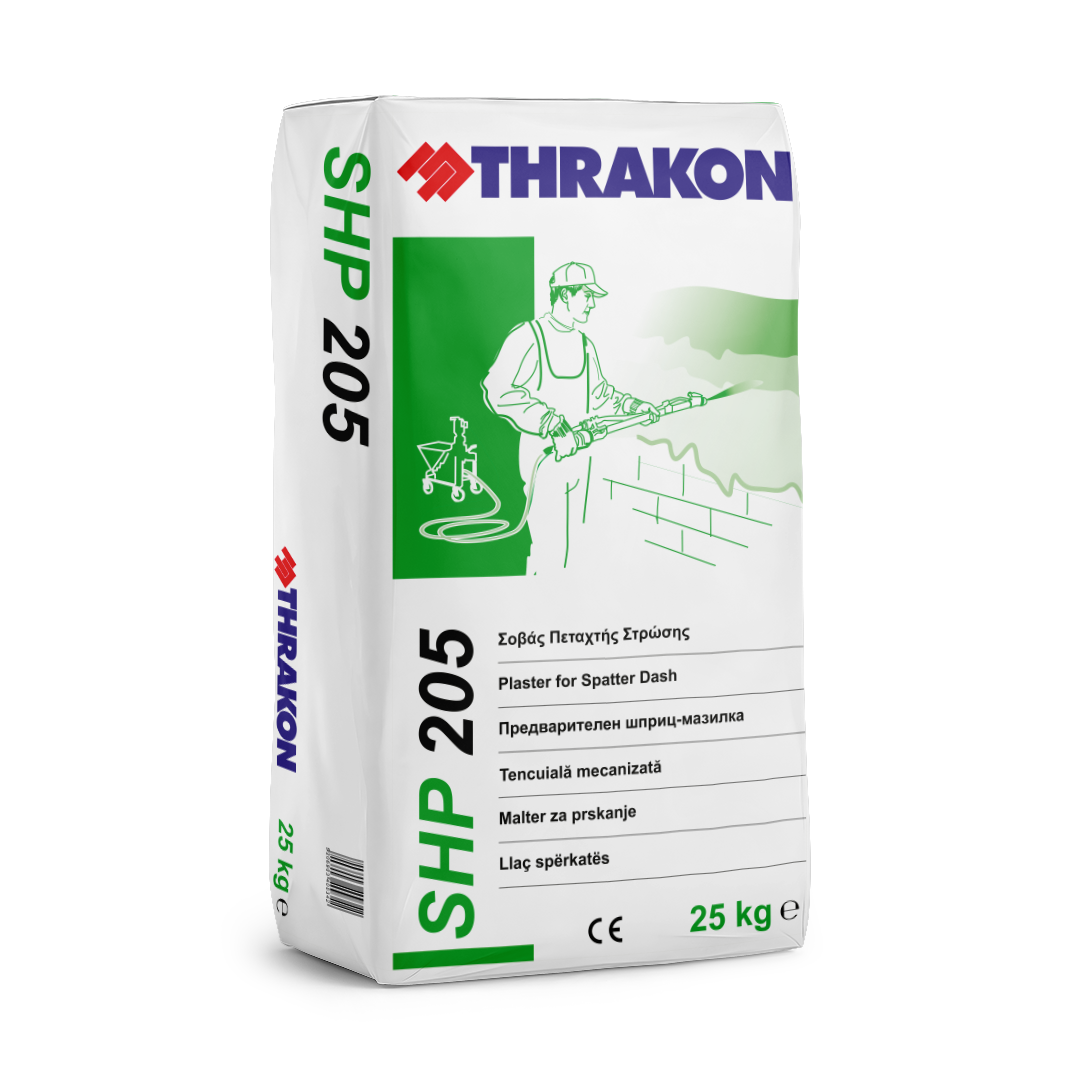
Surface Preparation: Before applying the final render, we apply SHP 205 Spatter Coat. The material is mechanically applied using a spray gun or plastering machine and, where required, manually using a plastering trowel. It is evenly distributed over masonry, concrete and ceilings, creating a rough surface that acts as a bonding bridge for subsequent render coats. It is applied at a thickness of 5 mm, ensuring complete coverage of the surfaces and voids. SHP 205 contributes to uniform substrate absorption and proper surface preparation for the final rendering.
STEP 3
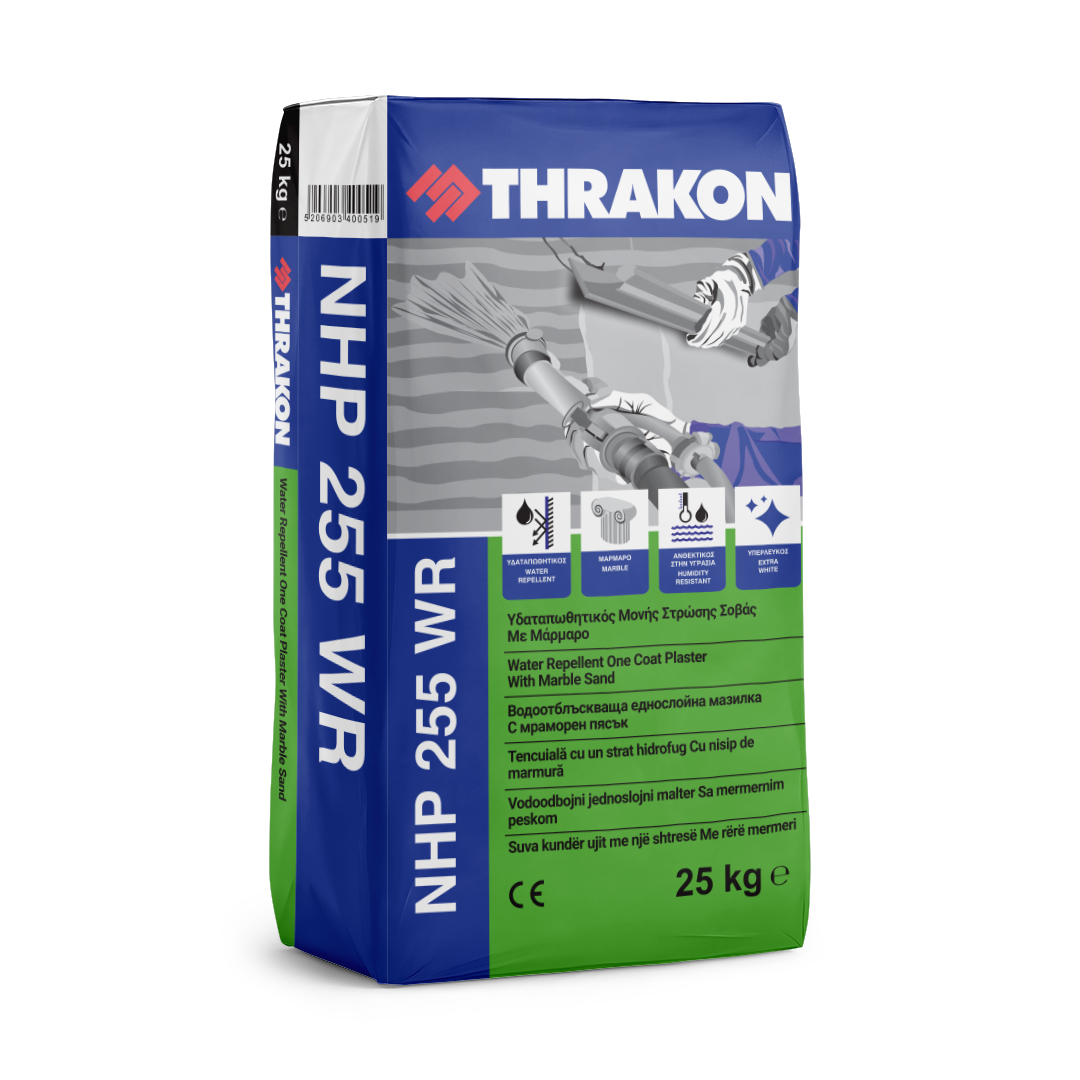
Final Render Coat: We apply NHP 255 WR Water-Repellent Render. The material is mechanically applied using a continuous mixing or plastering machine and, where required, manually. It is evenly applied over SHP 205 Spatter Coat, on masonry, concrete and other suitably prepared surfaces, ensuring excellent adhesion, levelling and final finishing in a single coat. It is applied at a thickness of 10–20 mm, providing complete surface coverage and creating a smooth and uniform finish. NHP 255 WR is water-repellent, allows the surface to breathe and contributes to the high durability and long-term protection of the render.
STEP 4
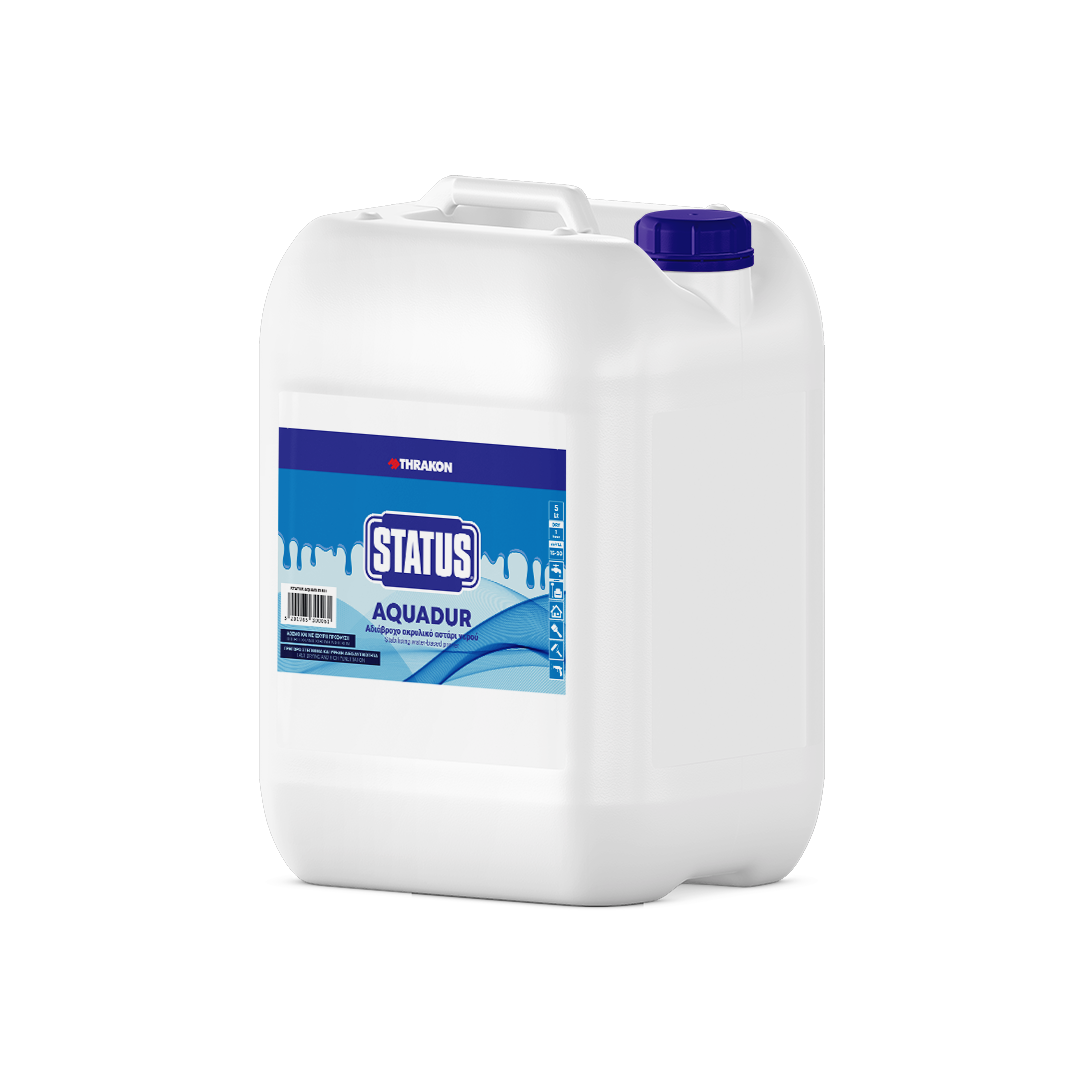
Surface Priming: The micronized acrylic water-based primer STATUS AQUADUR is applied before painting to properly prepare the surfaces. The material is easily applied using a brush, roller or airless spray. It penetrates deeply into renders, stabilizing friable areas and reducing substrate absorption. It creates a strong bonding bridge for subsequent paint coats while allowing the surfaces to breathe. STATUS AQUADUR contributes to improved coverage, performance and durability of the final paint, ensuring a high-quality and long-lasting surface finish.
STEP 5
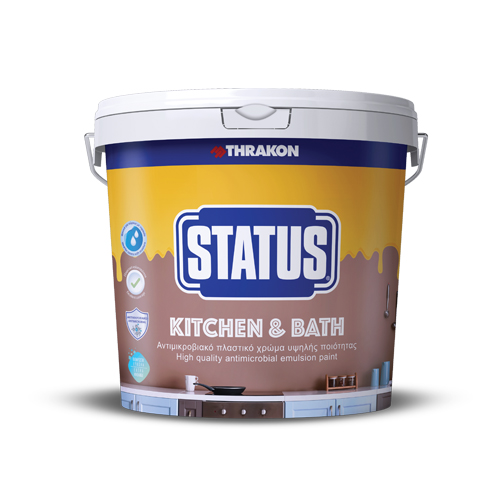
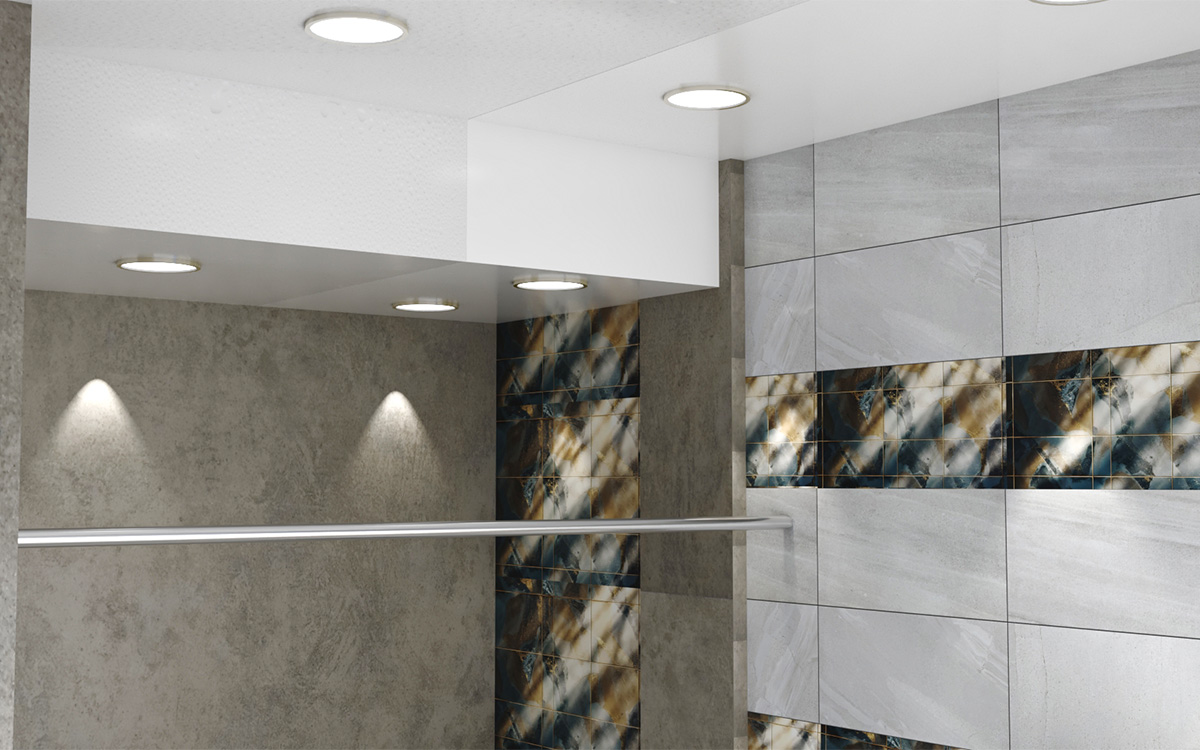
Final Surface: STATUS KITCHEN & BATH is applied as the final paint coat in interior areas exposed to increased humidity and a risk of mould and fungal growth. The material is easily applied using a brush, roller or airless spray on suitably prepared surfaces. It spreads evenly, providing high coverage, excellent performance and a matt finish. Its special anti-mould and anti-fungal additives effectively protect surfaces against the growth of microorganisms. STATUS KITCHEN & BATH offers high resistance to frequent washing, detergents and disinfectants.
Products Used