Αντιδιαβρωτική προστασία ολισμού και γέφυρα πρόσφυσης
What do we need?
Problems on plasters, could create big problems, through time, with moisture playing a major role in this. Problems could affect reinforcement, with moisture attacking steel and causing corrosion.
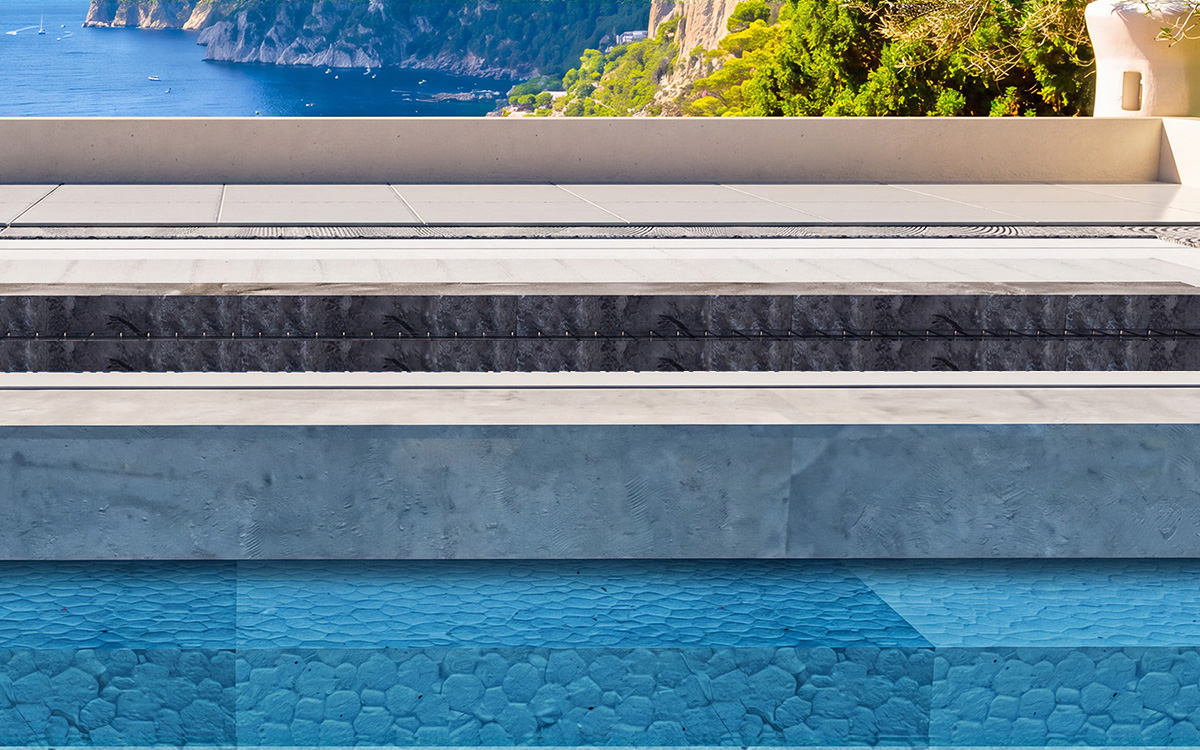
The phenomenon of carburization (conversion of calcium hydroxide Ca (OH) 2 contained in the concrete to calcium carbonate CaCO3), and the high concentration of chlorides in strongly corrosive environments such as in industrial, urban, coastal areas, etc. lowers the alkalinity concrete that protects the iron armor. The result of this reduction is the corrosion, ie rusting of steel reinforcement of concrete and the cracks due to an increase in the volume of reinforcement, which create risks for the statics of the structure construction.
How do we do it?
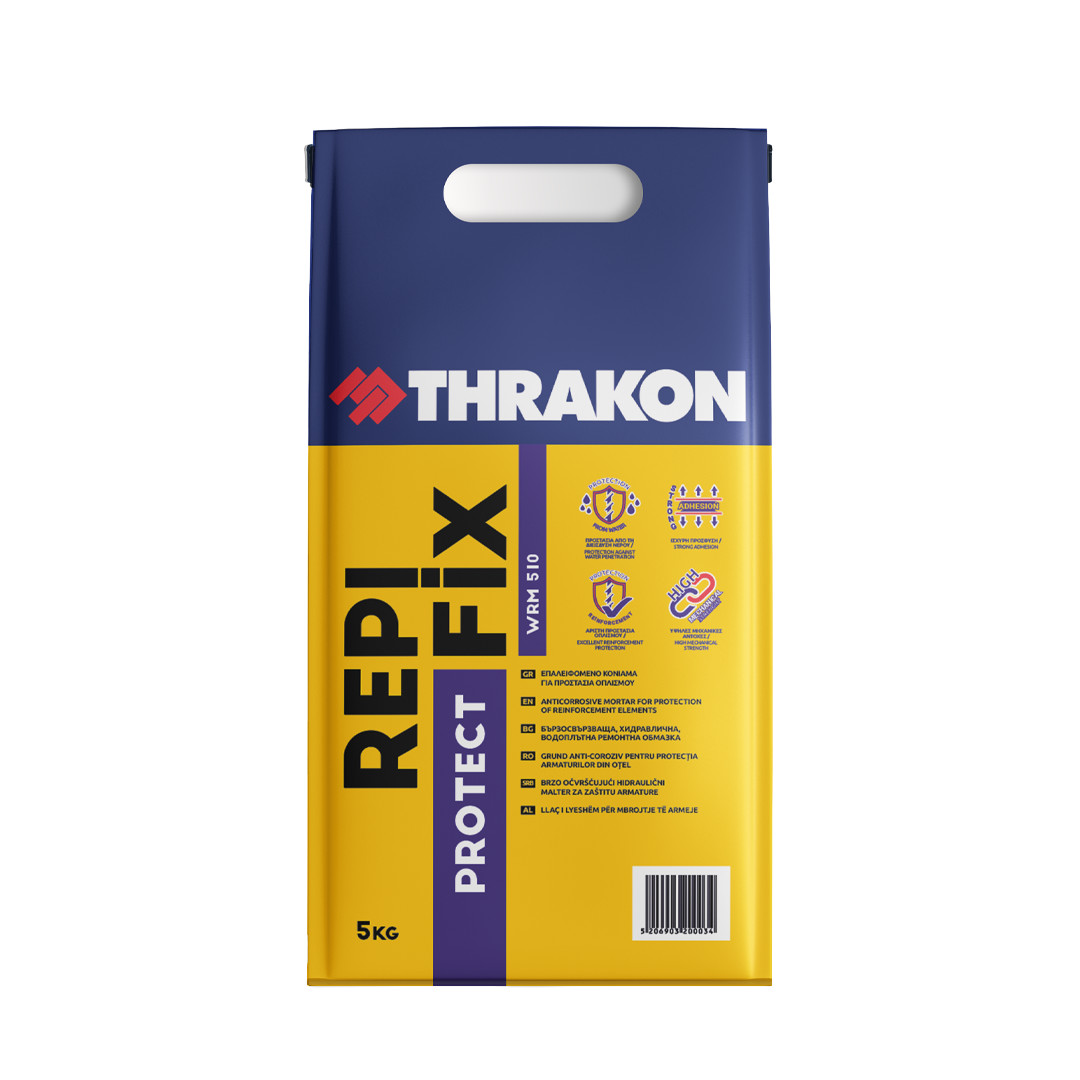
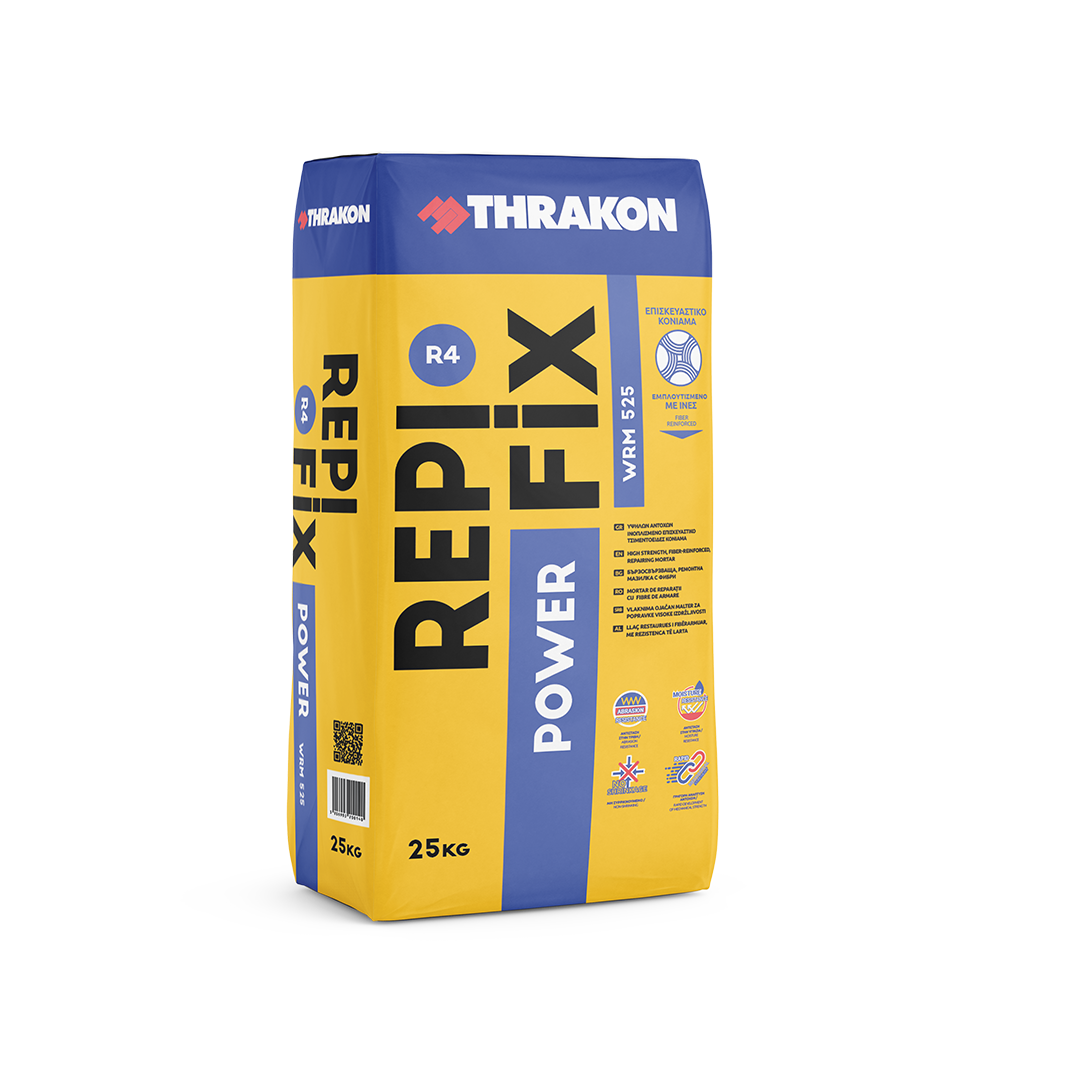
The coating of steel reinforcement with anticorrosive brushable mortar WRM 510 shields the armor from the negative effects of carbonation (rust) and chlorides, increasing the life of reinforced concrete and protecting the statics of the building. Then, repair the concrete with WRM 525, a high strength, fiber reinforced repairing mortar (R4).
ADVANTAGES: Easy in Application – Very High Mechanical Strength
Products used
WRM 510
WRM 525
Step by step
To obtain uniform strength and prevent cracks, the final surface must be kept moist for the first few days after application, and prevent fast drying with suitable liquid cover. Particular care should be taken during the summer months and on surfaces that are under strong sunlight. The material must be applied when the external temperature is between + 5oC and + 35oC, and not in the rain.
Tip: For structuring corners, either use a corner-shaped spatula, or two spatulas together. WRM 525 offers excellent bonding strength making it easy to structure a corner.
WRM 525 is a premium quality repairing product, fiber reinforced, offering high strength (R4), making it appropriate for repairing old or new, reinforced or not concrete. It is suitable for the restoration of damages on concrete. It can be applied either by pouring it with a trowel/spatula or by spraying it on the surface to be repaired. It is non-shrinking, with excellent bonding with concrete, while it develops rapidly its mechanical properties.
Product Categories : Repairing mortars